


Llarry wroteTangentially to the F-101, here's a bit of trivia that a lot of people don't know about.For many years -- 1950s-on -- there was a large interceptor force of the North American Air Defense Command with U.S. and Canadian fighters: F-86s, F-89s, F-94s, F-101s, F-102s, F-106s, F-4s, F-15s and F-16s off the top of my head. No Soviet bombers allowed! The remaining air defense aircraft today are just a few squadrons of aging F-15s in the Air National Guard.
Anyway, in the good (?) old days there was the McDonnell F-101 Voodoo. The Voodoo was one of the early supersonic fighters and had some handling quirks that could catch the unwary pilot but was widely used by NORAD U.S. and RCAF squadrons.
Here's an F-101B Voodoo from back in the day.
Google SAGE (Semi-Automatic Ground Environment)-- and it cost more than the Manhattan Project.
This was a system in the '50's - 80's that provided semi-real-time radar coverage over the entire US and parts of Canada that essentially watched for the Soviet's coming over the horizon using nuclear-armed bombers. It was extremely high-tech for the day and provided the ability to give Ground to Air guidance to interceptors (including the F-101).
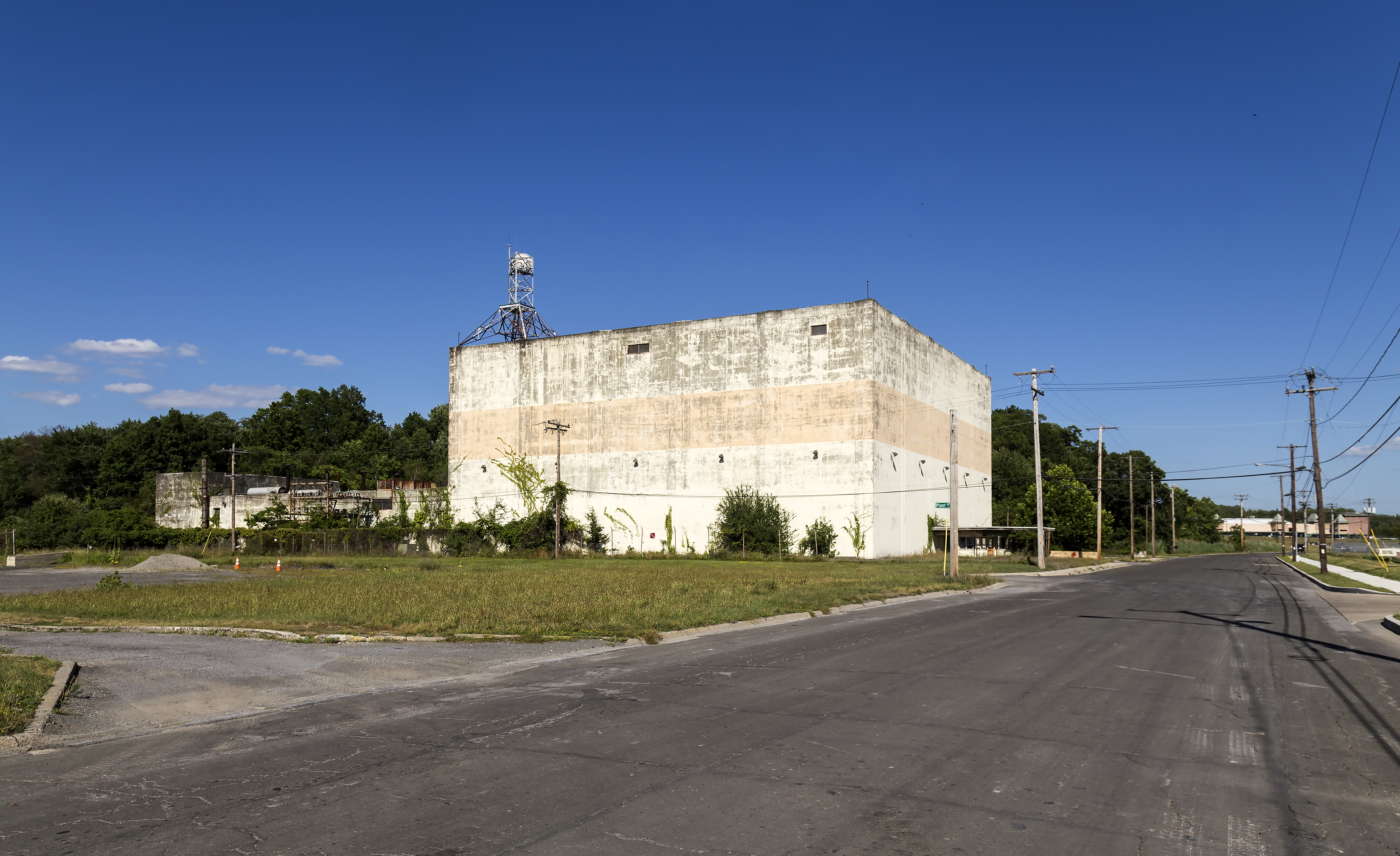
The buildings were MASSIVE-- they called them blockhouses and they were hardened against NuDet. I don't know if they would have survived a nuclear strike in the '60's, but I wouldn't bet against them.
The one at McChord AFB (near Tacoma) is still there. The concrete was so thick that they couldn't afford to destroy it..... so they turned part of it into the base library. The concrete where they (eventually) cut windows in is *really* thick (measured in feet, not inches). Since my father was the Base Commander there at one time, I got to wander around inside a bit when they were doing the conversion-- that building is HUGE, and is a part of history that's mostly forgotten.
R.
https://en.wikipedia.org/wiki/Semi-Automatic_Ground_Environment
https://en.wikipedia.org/wiki/SAGE_radar_stations
https://military-history.fandom.com/wiki/Semi-Automatic_Ground_Environment



 Boeing designed and built a dozen of these little puddle-jumpers in 1947. The YL-15 Scout two-seat observation plane. They were soon turned over from the Army to the U.S. Fish & Wildlife Service for service in Alaska.


 (Oh, wait... make that Wednesday.)
